
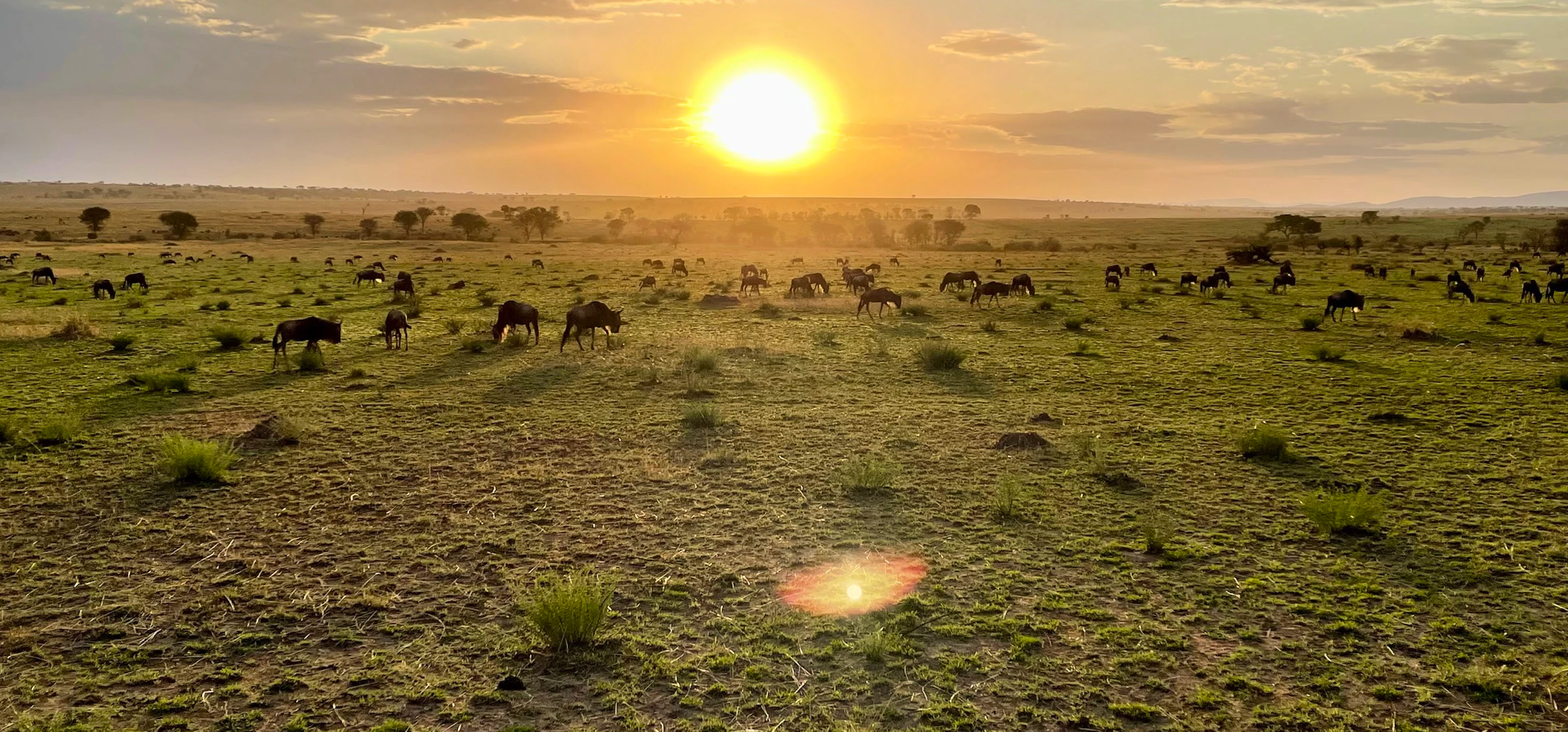
Dry season or green season?
Go in the dry season (Jun–Oct) if…
The long dry season is East Africa's classic safari window, sparse vegetation, wildlife concentrated around water, and the dramatic Mara River crossings in Kenya. It's the most reliable time for game viewing, and the busiest.
- You want the best, most reliable wildlife sightings
- Seeing the Mara River crossings (roughly Jul–Oct) is a priority
- You don't mind peak-season pricing and more vehicles
- Clear skies and cooler, comfortable days appeal to you
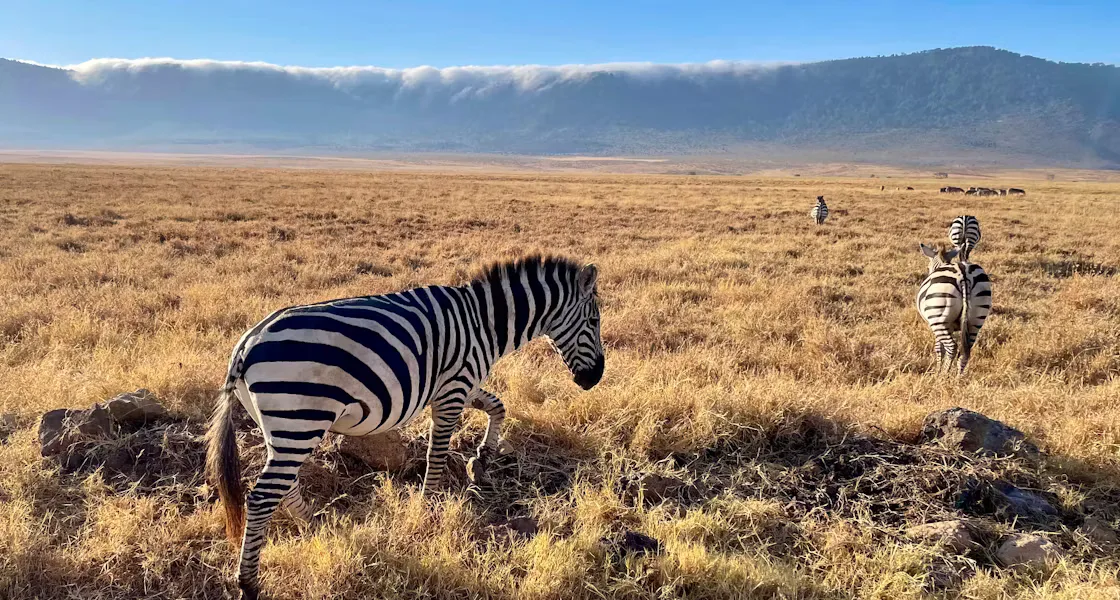
Go in the green season (Nov–May) if…
The green season brings lush landscapes, newborn wildlife, fewer crowds and better value. The southern Serengeti's calving season (Jan–Feb) is one of the year's great spectacles, with predators close behind.
- You want the Serengeti calving season (Jan–Feb) and big predator action
- Fewer vehicles, lower rates and superb birding appeal to you
- You prefer dramatic skies and vivid green scenery for photography
- You're flexible on the chance of occasional afternoon rain
Kenya & Tanzania safari: month by month
Here's what to expect each month across Kenya and Tanzania, wildlife, weather, crowds and where the Great Migration is likely to be.
| Month | Kenya | Tanzania |
|---|---|---|
| January | Hot and dry; rewarding Maasai Mara game viewing | Calving season begins on the southern Serengeti plains |
| February | Dry and quieter; good big-cat sightings in the Mara | Peak calving season, intense predator action |
| March | Warm; long rains arrive late month, fewer travellers | Green and quiet; calving winds down, great value |
| April | Long rains, lush, low season, lowest prices | Long rains, lush, low season; some camps close |
| May | Rains easing; green, peaceful, excellent value | Migration massing in the central & western Serengeti |
| June | Dry season starts; great value before peak crowds | Dry; the Grumeti River and rut draw the herds north |
| July | Herds arrive in the Mara; dry, excellent, crowds build | Migration pushing north; dry and superb game viewing |
| August | Prime Mara River crossings; peak season | Herds in the northern Serengeti; dramatic crossings |
| September | Peak crossings and best overall Maasai Mara safari | Northern Serengeti; dry, clear and excellent |
| October | Crossings continue early month; warm and dry | Herds begin the journey south late in the month |
| November | Short rains; green, quieter and better value | Short rains; herds returning to the southern plains |
| December | Festive season; drying out, good Mara game viewing | Calving season begins again in the south |
Following the Great Migration
The migration is a continuous, year-round loop around the Serengeti–Mara ecosystem. These two maps mark the highlights at opposite ends of the calendar, the calving grounds early in the year, and the river crossings in the dry season.
Calving season (Jan–Feb): southern Serengeti & Ndutu
Hundreds of thousands of wildebeest calve on the short-grass plains around Ndutu, drawing intense predator action.
River crossings (Jul–Oct): Maasai Mara
The herds reach Kenya's Maasai Mara and run the gauntlet of the Mara River, the migration's most dramatic moment.
Trips timed to the season
Whenever you travel, there's a brilliant safari to be had; it's just a matter of where. These itineraries are starting points; our specialists will tailor the route and timing around the migration and the experiences you want most.

Classic Kenya & Tanzania Safari
Time your trip with our specialists and explore both countries' best wildlife destinations, staying in our favourite safari camps along the way.
Kenya and Tanzania Combined
From Nairobi to Zanzibar, combine the Maasai Mara with the Serengeti and Ngorongoro Crater, timed around the migration.
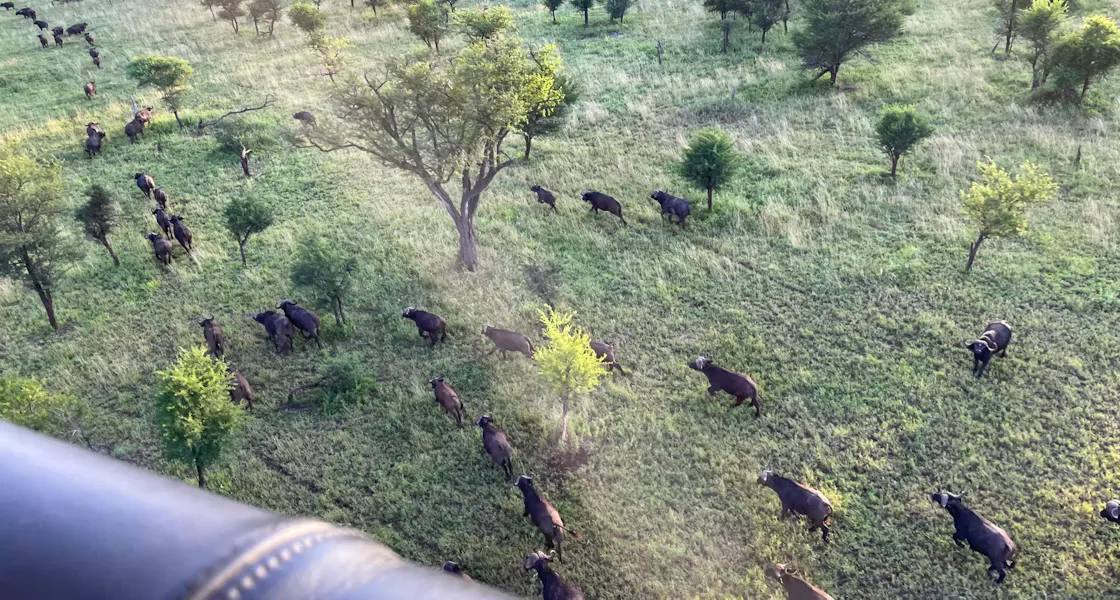
Kenya & Tanzania, Migration & Safari
Follow the herds: explore northern Tanzania before crossing into Kenya's Maasai Mara during peak migration months.

Maasai Mara & Zanzibar
Pair dry-season game viewing in the Maasai Mara with island sunshine on the white sands of Zanzibar.
Best time to go on safari: your questions answered
What is the best time to go on safari in East Africa?
For most travellers, the long dry season from late June to October is the best overall time for a Kenya or Tanzania safari. Vegetation is sparse, wildlife concentrates around water, and the dramatic Mara River crossings of the Great Migration take place in Kenya's Maasai Mara, roughly July to October. January to February is the other standout window, thanks to the Serengeti's calving season. The truth is there's no bad time; the right month depends on the wildlife and experiences you most want to see.
When can I see the Great Migration?
The migration is a continuous, year-round movement around the Serengeti–Mara ecosystem, not a single event. The southern Serengeti hosts the calving season in January and February; the herds move through the central and western Serengeti from around May to June; the dramatic Mara River crossings happen in Kenya's Maasai Mara from roughly July to October; and the herds head back south from November. We plan your trip around where the herds are likely to be when you travel.
When is the cheapest time to go on safari?
The green season, particularly the long rains of April and May, is the lowest season, with the best value on camps and lodges and far fewer vehicles. November's short rains are another good-value, quieter window. Landscapes are lush and birding is superb; the trade-off is a higher chance of afternoon showers and slightly trickier game viewing in places.
What is the weather like on an East African safari?
East Africa has two rainy seasons: the long rains (roughly April–May) and the short rains (around November). The dry seasons in between, June to October and December to February, bring clear skies, warm days and cooler mornings and evenings, especially at higher altitudes like the Ngorongoro Crater. Pack layers year-round, as game drives start early when it's chilly.
When is the best time to combine safari with Zanzibar or the beach?
June to October and December to February are ideal for pairing a safari with Zanzibar or Diani Beach. These dry windows bring the best beach weather alongside excellent game viewing. April and May are best avoided on the coast due to the long rains. Our specialists will sequence the safari and beach legs so the timing works for both.
Ready to plan your African adventure?
Listen
We start by getting to know you: your dates, who's travelling, your budget and the wildlife and moments you're dreaming of.
Design
Then we design your safari from scratch, hand-picking the camps, routing and pace to suit you. No off-the-shelf packages, just impartial expert advice.
Refine & reserve
We fine-tune every detail with you, then place a 24 hour hold on your preferred camps, with no obligation, before you confirm.
Whatever your budget, group size, length of stay, preferred activity or appetite for adventure, we can help.