
Find the answer you need
Start with the part of your safari you are working through now, then jump straight to the relevant questions.
Compare destinations, first-safari options, multi-country routes and beach combinations.
Explore Choosing Your Safari →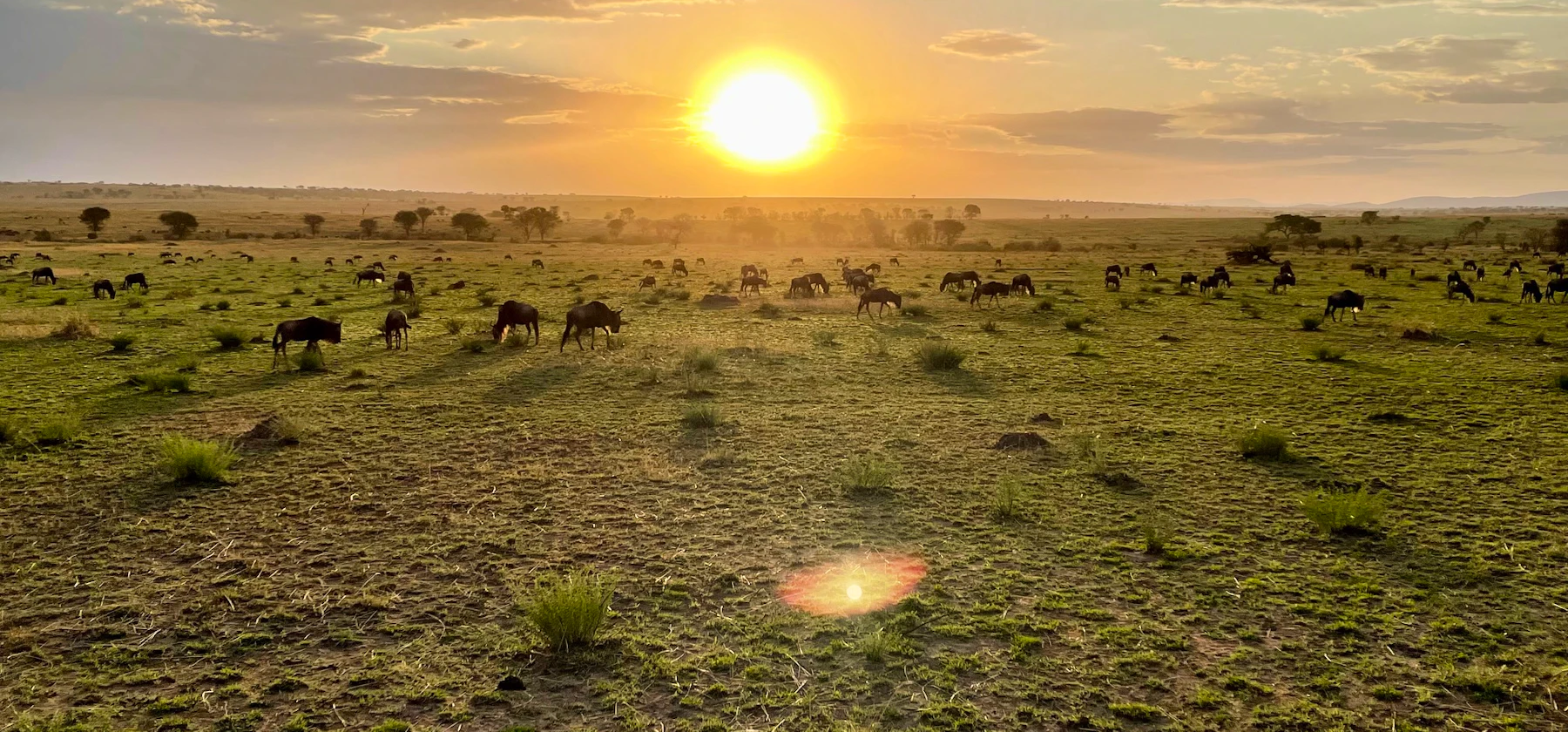
Understand the dry and green seasons, migration timing and what wildlife sightings can realistically offer.
Explore Timing & Wildlife →
See the broad price ranges, what is commonly included and when a private safari is worth the difference.
Explore Costs & Inclusions →
Get practical guidance on safety, family travel, entry requirements, health advice and packing.
Explore Travel & Suitability →
Learn how tailor-made planning, itinerary refinement, deposits and booking timelines work.
Explore Booking with Brilliant Africa →Choosing your safari
Which African country is best for a first safari?
Kenya and Tanzania are the strongest starting points for most first-time travellers. Both offer iconic savannahs, excellent big-cat viewing and access to the Great Migration. Kenya is particularly good for the Maasai Mara, private conservancies and a Diani Beach finish. Tanzania offers the Serengeti, Ngorongoro Crater and an easy extension to Zanzibar. Botswana is better suited to travellers prioritising exclusivity, water-based safari and low vehicle numbers.
Kenya or Tanzania: which should I choose?
Choose Kenya if you want a compact classic safari, excellent private conservancies and the Maasai Mara. Choose Tanzania if you want the scale of the Serengeti, the Ngorongoro Crater and a natural Zanzibar finish. Combining both works well when you have enough time and budget, particularly around the migration.
Is Botswana suitable for a first safari?
Yes. Botswana delivers superb wildlife, excellent guiding and intimate camps, often with far fewer vehicles than busier East African reserves. The Okavango Delta also adds mokoro and boat safaris. It generally costs more because of limited camp capacity, private concessions and light-aircraft transfers.
Can I combine more than one country?
Yes. Kenya and Tanzania combine naturally because they share the Serengeti–Mara ecosystem. Botswana pairs well with Victoria Falls, while Uganda or Rwanda can add gorilla trekking to a classic savannah safari. Multi-country travel adds flights and border logistics, so allow enough time for the route to remain comfortable.
Can I combine safari with the beach?
Yes. Tanzania pairs naturally with Zanzibar, while Kenya works well with Diani Beach, Watamu or Lamu. A beach extension is most comfortable when the overall trip is at least ten days, giving you enough time for meaningful safari stays before slowing down on the coast.
Timing and wildlife
When is the best time to go on safari?
The broadest all-round window is June to October, when dry conditions make wildlife easier to find across much of East and Southern Africa. January and February are another excellent East African window, especially for the Serengeti calving season. The green season brings fewer visitors, lush landscapes, excellent birding and often better value.
When can I see the Great Migration?
The migration is a continuous year-round movement through the Serengeti–Mara ecosystem. Calving takes place on the southern Serengeti plains around January and February. The herds move north through the Serengeti before the dramatic Mara River crossing period, usually from July to October. Exact movement depends on rainfall and cannot be guaranteed.
Is the green season worth considering?
Yes. Green-season safaris can offer lower prices, fewer vehicles, dramatic skies, migratory birds and newborn wildlife. The trade-offs can include rain, thicker vegetation and more complicated road conditions. The right green-season destination can still deliver an exceptional safari.
Is wildlife guaranteed?
No. Wildlife moves freely and every game drive is different. Experienced guides, good camp locations, sensible timing and enough nights in each area significantly improve your chances, but no responsible safari company can guarantee a specific animal or migration event.
Still deciding where or when to travel?
Tell us what you most want to experience and when you can travel. One of our specialists will help you narrow the destinations and timing before you commit to a route.
Costs and inclusions
How much does an African safari cost?
A scheduled small-group safari can start from around $4,000 per person. A classic private safari generally falls around $7,000 to $15,000 per person. Luxury and multi-country trips commonly begin around $15,000 and can rise above $40,000. These are planning ranges, normally per person sharing, rather than fixed prices.
What is usually included?
A typical itinerary includes the accommodation and meals shown, airport collections, listed transfers and internal flights, experienced guides, park and conservation fees and scheduled safari activities. International flights, insurance, visas, vaccinations, tips, personal spending and optional activities are commonly separate unless the itinerary says otherwise.
Is a private safari worth the extra cost?
A private safari gives you more control over the pace, route and time spent at sightings. It is especially useful for couples, families, photographers and travellers with specific interests. A scheduled small-group departure offers stronger value if you are comfortable with fixed dates, a shared vehicle and a set itinerary.
How long should a safari be?
Eight to twelve days is a useful starting point for one country or two nearby destinations. Ten to fourteen days works better for a multi-country route or a safari-and-beach combination. We generally recommend at least three nights in a major wildlife area so the trip does not feel rushed.
Travelling and suitability
Are African safaris safe?
Millions of travellers visit African safari destinations safely each year, but no trip is risk-free. Brilliant Africa works with trusted local operators, experienced guides and carefully selected camps. Your specialist will advise on the route, transfers, insurance and current destination guidance. Follow official travel advice and your guide's instructions throughout the trip.
Are safaris suitable for families?
Yes. Many camps welcome children and offer family tents, flexible meals and activities designed for younger travellers. Age restrictions can apply to walking safaris, gorilla trekking and some camps. The right route depends on the children's ages, drive tolerance and the amount of travel between areas.
Do I need visas or vaccinations?
Requirements depend on your passport, destinations and current health guidance. Check official government entry advice and speak to a qualified medical professional well before travel. Brilliant Africa can help you understand the route and point you towards the relevant official information, but cannot provide medical or immigration advice.
What should I pack for safari?
Bring lightweight neutral clothing, warm layers for early game drives, comfortable closed shoes, sun protection, a hat, insect repellent and any required medication. Soft-sided luggage is usually needed for light-aircraft flights, which often have strict weight limits. Your final documents will include trip-specific guidance.
Booking with Brilliant Africa
Are Brilliant Africa trips fixed packages?
No. Sample itineraries are starting points. Your specialist can change the route, camps, trip length, pace, activities and level of comfort around your dates, budget and priorities.
How does the planning process work?
We begin by understanding your dates, travellers, budget and priorities. Your specialist then shortlists suitable routes and camps, explains the trade-offs and refines the itinerary with you. Once you are happy, the team can hold and secure the arrangements subject to availability.
How do payments work?
Brilliant Africa currently secures arrangements with a 30% deposit. The remaining balance is due two months before departure. Gorilla permits must be paid with the deposit when applicable. Your final booking documents govern the payment and cancellation terms for your trip.
When should I book?
Book as early as you can for peak migration months, festive dates, small camps and private concessions. Planning early gives you more choice. Shorter lead times can still work, but the route may need to follow remaining availability rather than first-choice camps.
Speak to an Expert
Tell us your dates, budget and what you want from the trip. One of our specialists will answer your questions and help you identify the right next step.
Choose as many destinations as you like.
Ready to plan your African adventure?
Listen
We start by getting to know you: your dates, who's travelling, your budget and the wildlife and moments you're dreaming of.
Design
Then we design your safari from scratch, hand-picking the camps, routing and pace to suit you. No off-the-shelf packages, just impartial expert advice.
Refine & reserve
We fine-tune every detail with you, then place a 24 hour hold on your preferred camps, with no obligation, before you confirm.
Whatever your budget, group size, length of stay, preferred activity or appetite for adventure, we can help.